Department 21

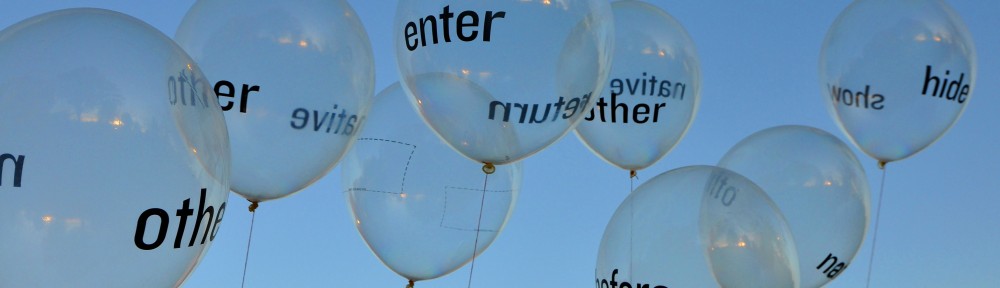
Department 21 was launched in 2009 by a group of students at the Royal College of Art in London, with the aim of artists, designers and architects coming together to do interdisciplinary projects. I think they’ve recently disbanded.

http://www.department21.net/?page_id=1919
“Emerging from an institutional context in which individual authorship and outcome-driven projects are the dominant frames for creative production, the project is the result of a need for new, collaborative forms of exchange between students from different disciplines: it is a means to get in touch with other peoples’ practices (and in this way question one’s own practice), as well as being a platform to support collaboration beyond specialties.”

“Particular to Department 21 is the emphasis on a physical space within which ideas can grow and serendipitous encounters occur. With a belief that the physical and social design of a learning space has an impact on the learning that happens within it, Department 21 has sought to work with a variety of spaces, both within and outside the Royal College of Art, to encourage different forms of social interaction and dialogue and participation. For each location the project inhabits (alternatively shared common space, occupancy of the college’s galleries during exhibitions, outdoor events etc.), the question of design comes first.

Recognising the impact that structures have on how we interact and learn, and using the inter-disciplinary knowledge of the group, Department 21 has created a purpose-built moveable working space, to enable the activities of learning, teaching and collaborating to flex to fit a wide variety of spatial environments.”

This is the moveable furniture they have created to facilitate their various events and meetings:


Andrew Byrom

Here’s a tedx video of Andrew Byrom, who makes awesome interdisciplinary typography:

http://tedxucla.org/2011/05/12/andrew-byrom-if-h-is-a-chair-mapping-new-forms-in-typography-through-experimentation-collaboration-and-a-shifting-view-point/ accessed January 31, 2012.

Notes while watching the video:
Face recognition
Color blind test
Typeface recognition — type made of drinking straws
seeing letters everywhere — in bandaids, searching out typographic forms, then digitizing them; finding something in 3d and bringing it back into flatness.
“if h is a chair, what do the other letters look like?”
His thinking process leads him to collaborations. He envisions physical form for his letters, such as metal furniture, neon, kites, rails, blinds…and seeks out the craftsmen/factories to make his visions come alive. Sometimes he has a 3d idea, such as flipping blinds, and then envisions the typographic form to go with it.

What’s neat here is the back and forth he has with the manufacturer — an old school relationship to make new form. Breaking into other disciplines and bending them to suit his needs — persisting until the neon guy is hooked and wants to make his complicated forms.

Tropical Salvage

Collaborative/Interdisciplinary company to look at.

“We believe that the business community must lead in addressing today’s unprecedented challenges to our world’s social and environmental integrity. Tropical Salvage combines business with social and environmental activism. Our mission is to create good, steady, eco-positive jobs in places experiencing economic hardship; to assist in implementing conservation, forest restoration and environmental education projects to protect the world’s remaining primary tropical forests; and to advocate for best responsible social and environmental practices throughout the business world.”